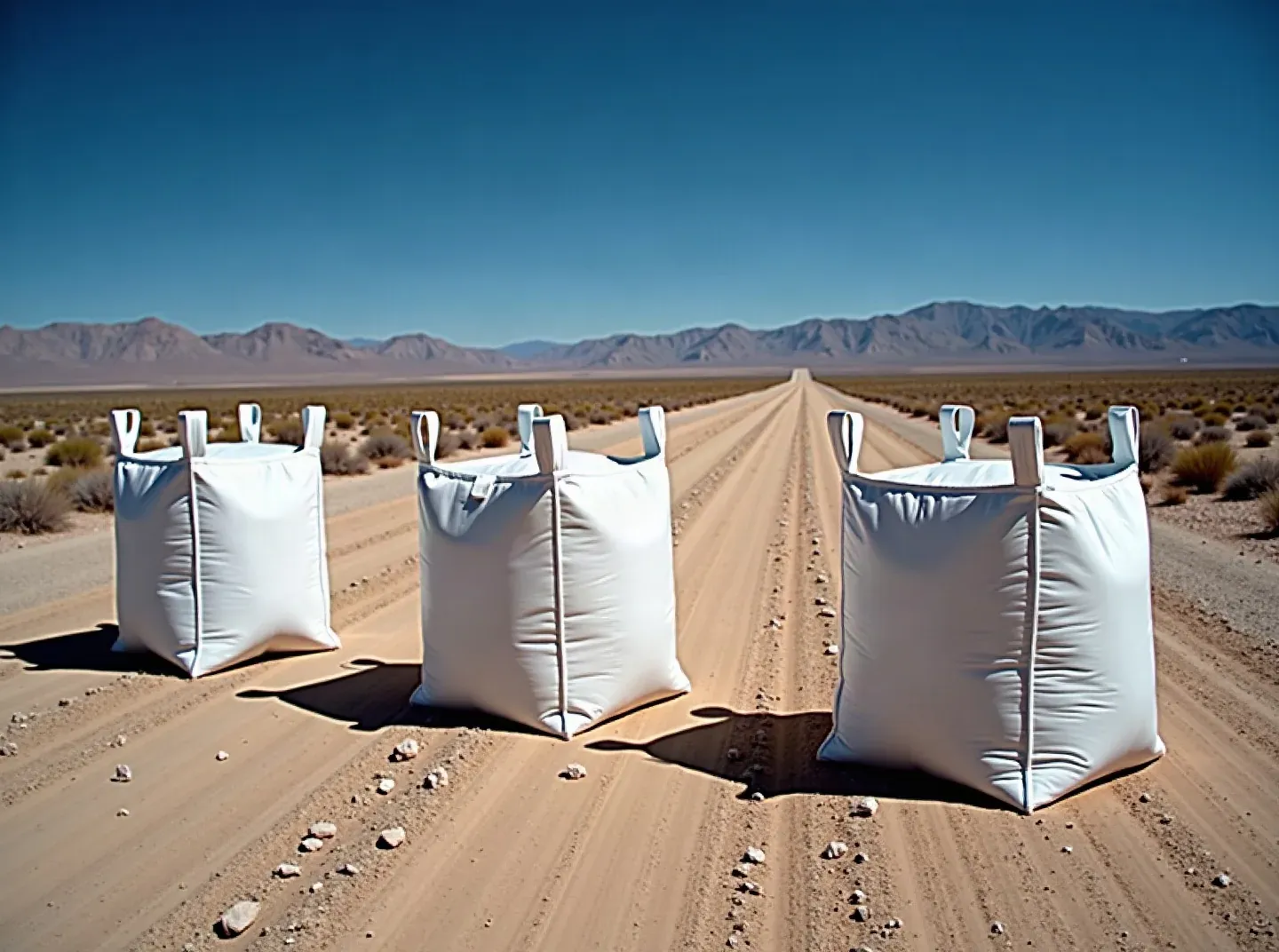
Bulk Bag Supply Nevada
Why this company exists in this state, how we specify a bag, and what we will tell you when the cheaper answer is the wrong one.
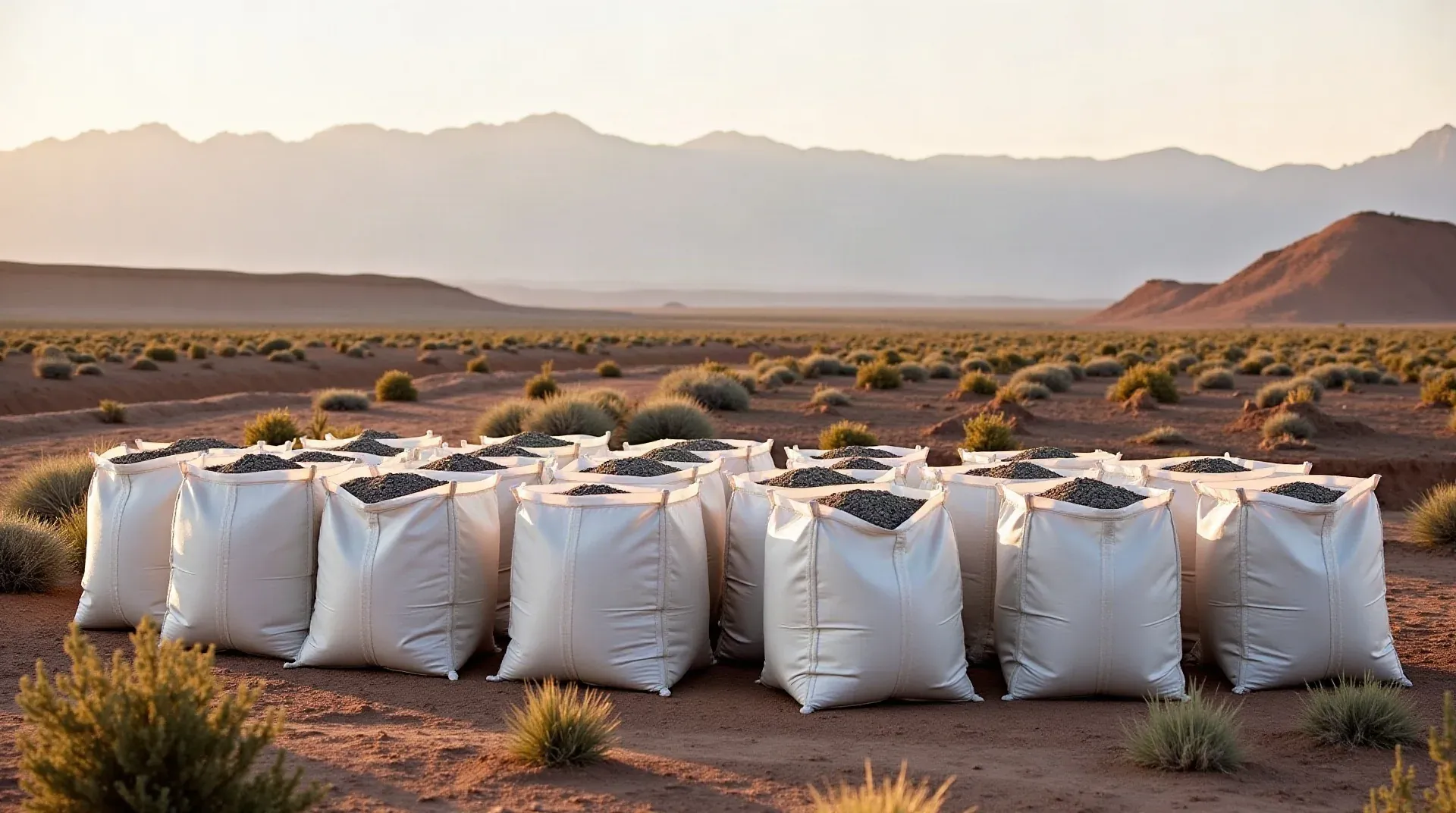
Nevada has spent the last decade turning into one of the most industrially active states in the country. Mining expanded. Lithium and rare earth projects moved from exploration into development. Data centers arrived at a scale nobody forecast. Solar went up across thousands of acres, and the transmission to carry it went up alongside.
All of that is material handling. Ore out of the ground, concentrate to the processor, aggregate to the foundation, spoil away from the trench. Every one of those movements needs a container rated for what goes in it.
We supply the bags that carry it. That is the whole of it, and it is the reason this company exists in this state rather than somewhere with better weather and less rock.
Specification is the service
Anyone can sell a bulk bag. The part that matters is knowing which one your material actually needs, and being willing to tell you when the cheap answer is the wrong one.
We start with three questions on every quote: what is the material, what does it weigh, and where does the bag go afterwards. Those determine fabric weight, seam construction, safety factor and closure. Dimensions come last.
It sounds obvious. It is also why most bag failures happen — a bag sized by volume instead of by weight will be filled past its safe working load while it still looks like it has room at the top. The bag then fails on the third or fourth pick and it looks like a defect. It was a specification error made before anything was ordered. The five lines we stock are organised around that distinction rather than around sizes.
Straight answers, including the unprofitable ones
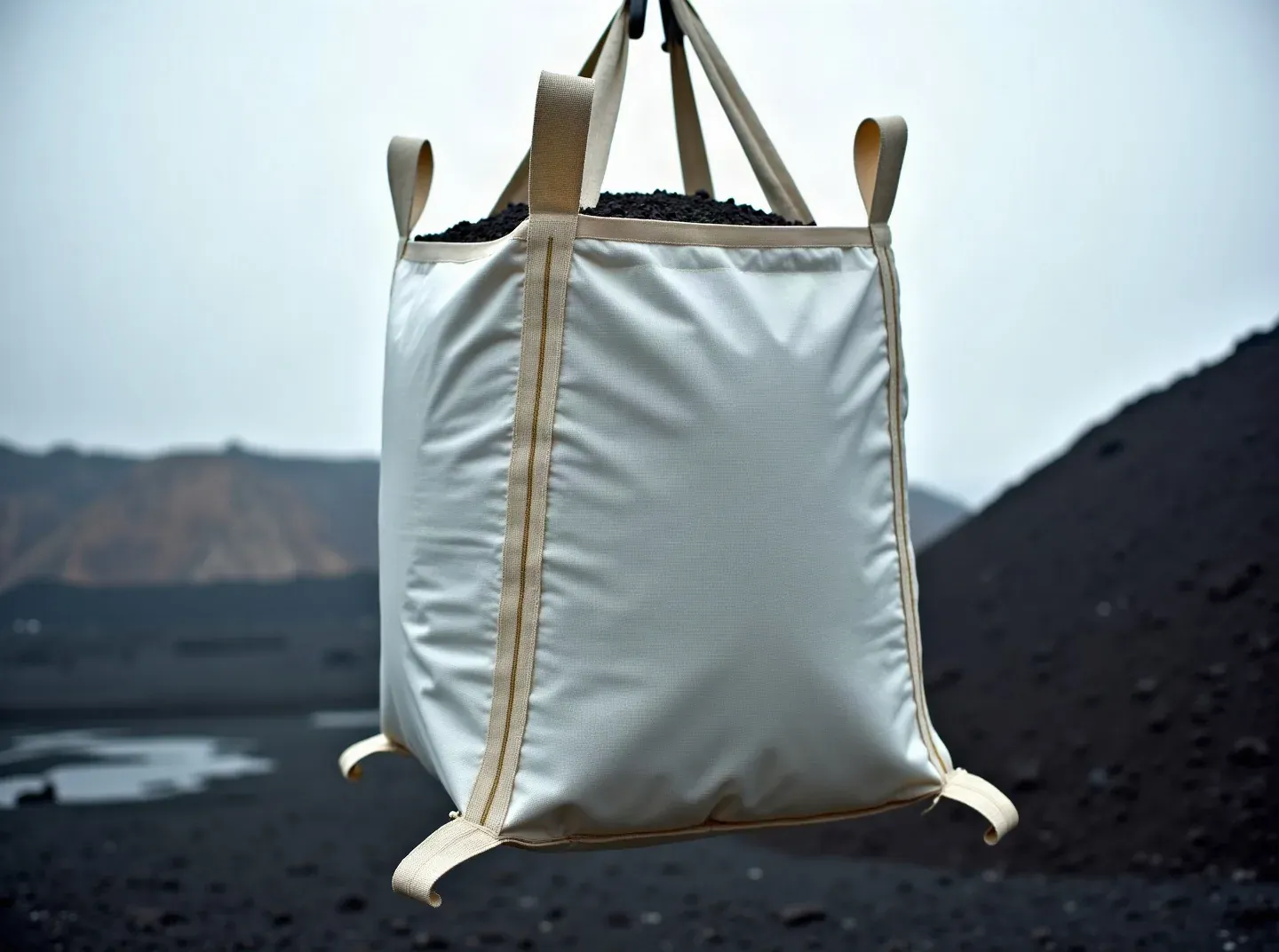
If your material has to move as dangerous goods, you need a tested and marked UN-certified package. We will quote that, and we will not offer you something cheaper that merely looks adequate.
If it does not, we are not going to upsell you into certification you have no use for. That is a real cost per bag, and it should be driven by how your material is actually classified rather than by a preference for whichever option happens to sound safer.
And if you are handling combustible dust but cannot guarantee that a Type C bag gets grounded on every fill, by every operator, on every shift, we will tell you that Type C is the wrong specification for your site — even though it costs less than the Type D that is right. An ungrounded Type C bag is more hazardous than a plain one, which makes that particular saving the worst kind.
That is the whole basis we want to do business on. It is also why we would rather have a conversation than send a catalogue: a catalogue cannot ask you the three questions.
Nevada first
Reno, Sparks, Carson City, Fernley, Elko and Las Vegas, and out to the sites in between that do not appear on a map.
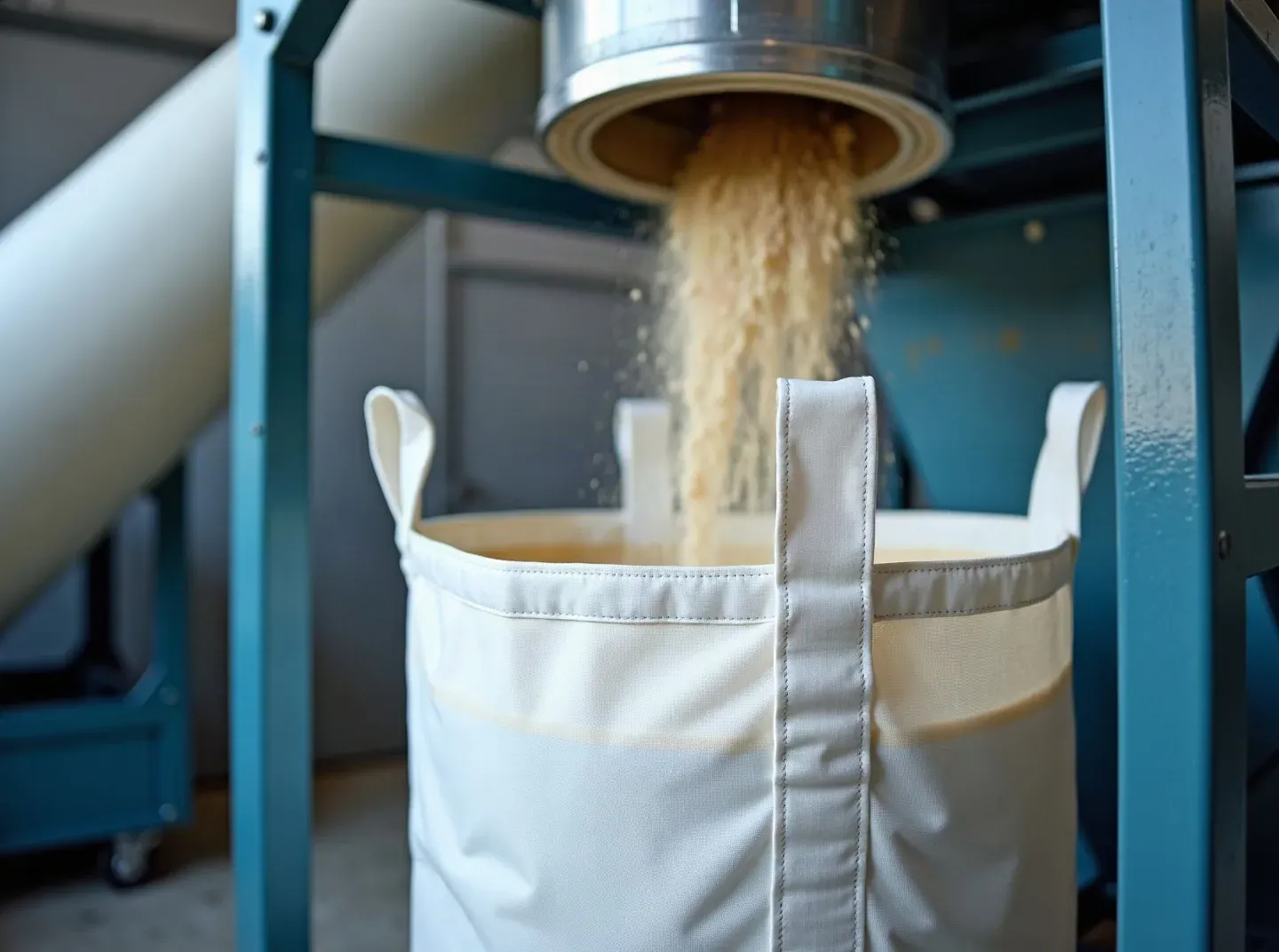
We are a Nevada supplier serving Nevada industry, and that is a deliberate limit rather than an ambition we have not got round to. When a bag fails on a remote site, the resupply distance is the problem — so we would rather get the specification right the first time than be close by. The kind of work our bags end up in is mostly hours from the nearest supplier, and that shapes how we quote.
Tell us what you need to move and we will specify it properly — start a conversation, or call (725) 251-1226.